Instant Cash Offer vs Auction Pricing Tools for Inventory Sourcing

Founder & Lead Strategist
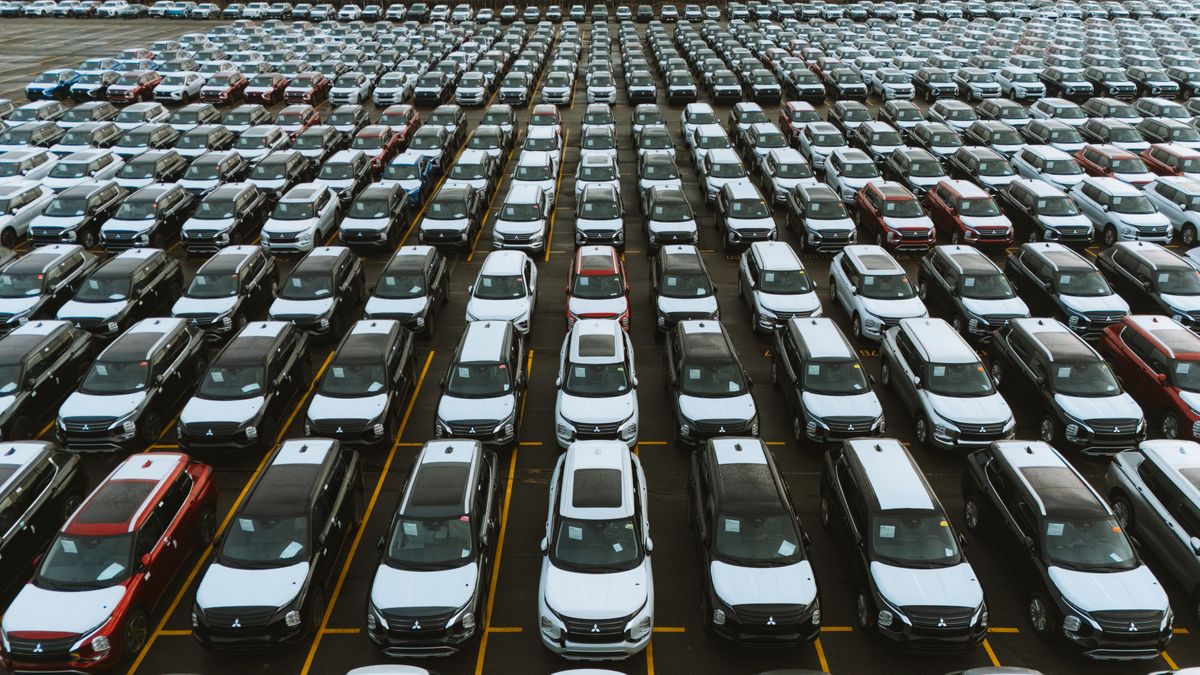
Every used-car manager is really answering one question all month: where does the next car come from, and what will it cost me to get it retail ready? Two categories of tools shape that answer. On one side are the auction pricing tools that tell you what a wholesale unit is worth and help you win it in the lane. On the other are the instant cash offer tools that let you buy a car straight from its owner, before it ever hits an auction block. Understanding what each actually does, and what each really costs, is the difference between sourcing on defense and sourcing on offense.
They do two different jobs
The two categories get lumped together as "sourcing tools," but they work opposite ends of the market.
Auction pricing tools value the lane
Tools like the Manheim Market Report, vAuto, and Black Book exist to answer one question: what is this wholesale vehicle worth right now? MMR computes values from millions of actual auction sales, refreshed nightly, and platforms like vAuto layer appraisal and stocking logic on top. They are excellent at what they do. But notice what they optimize. They help you buy better in a channel where you are still competing against every other dealer, paying a buy fee, and shipping the car in. They make the auction smarter, not cheaper.
Instant cash offer tools source direct
An instant cash offer tool works the other end of the market. It gives a consumer a real, cash-backed number for their vehicle in exchange for their contact information, so you acquire the car directly from the owner, on your website, in your service lane, or from an ad campaign. There is no lane, no buy fee, and no bidding war. The car arrives with known history instead of an auction gamble.
The cost gap, in real numbers
This is where the comparison stops being abstract. Walk through a typical unit. On a vehicle with a Kelley Blue Book trade value around 14,791 dollars, a dealer who buys at auction pays roughly 10 percent under that number, then stacks on about 400 dollars in auction fees, 300 dollars in transport, 80 dollars for state inspection, 1,500 dollars in reconditioning, and 100 dollars to detail, landing near 13,800 dollars all in (CarEdge). Acquire that same car directly from the owner and the auction fee and transport disappear entirely, and because you know the vehicle's history, your reconditioning risk drops too. Same car, lower landed cost, and you started a relationship with a local customer instead of a wholesaler. Auction pricing tools cannot close that gap, because the gap is the lane itself.
Why the lane keeps getting harder
The direct channel is not just cheaper, it is gaining on the auction out of necessity. Auction sourcing has fallen from roughly 27 percent of dealer used inventory in 2019 to about 18 percent today, and wholesale values have stayed elevated, so the units still in the lane cost more and are contested by bigger buyers (AutoAlert). Meanwhile the direct supply is enormous and underused. Most shoppers have a vehicle to trade, yet the average franchised dealer captures only about a third of those trades (TradePending). The math is pushing every smart operator toward buying earlier, closer to the source.
It is not either or, but the mix is shifting
None of this means auction pricing tools are obsolete. When you need a specific unit fast, or a niche vehicle your market is not trading in, the lane and the tools that price it are still the right answer. The point is that the auction should be the supplement, not the default. A healthy 2026 sourcing strategy uses auction pricing tools to buy the lane efficiently when it has to, and leans on an instant cash offer channel to source the cheaper, cleaner cars first. The dealers who flip that ratio, direct first and auction second, are the ones protecting used-car gross.
The catch with instant cash offer sourcing
Here is the honest part. An instant cash offer channel is only as good as what happens after the number appears. The offer creates a lead, and that lead is perishable. Dealership speed-to-lead data is blunt: leads worked within five minutes convert far better than the same lead an hour later, and most sellers go with whoever responds first (Demand Local). An auction purchase is a transaction you control end to end. A consumer offer is a conversation that dies if no one answers it fast, nights and weekends included. That is why so many dealers put an instant offer widget on their site, see little from it, and conclude direct sourcing does not work. The tool was never the problem. The follow up was.
What actually closes the gap
Put the two categories side by side and the takeaway is simple. Auction pricing tools make an expensive channel smarter. An instant cash offer channel makes sourcing cheaper, but only if the follow up is instant and relentless. That last part is exactly what a busy store cannot do by hand, which is why the strongest direct-sourcing setups pair the instant valuation with automated follow up that qualifies the lead and books the appointment, the motion the engine behind Clutched is built to run (Clutched).
Use auction pricing tools to win the lane when you must. Build an instant cash offer channel, with real follow up behind it, to source the cars you would rather not pay the lane for at all.
Free tools, no signup
Three calculators for used-car acquisition
Work out how many units you need to source this month, what the auction lane is really costing you, and the most you can pay for a specific car and still hit your gross.
They run in your browser. Nothing is stored.
Frederic Duprat
Founder & Lead Strategist
Frederic has spent over 6 years engineering digital growth systems and technical SEO for car dealerships. With a background in marketing education, he bridges the gap between consumer psychology and automotive technology to turn casual visitors into loyal buyers.