Dealership Vehicle Valuation Widget for Inventory

Founder & Lead Developer
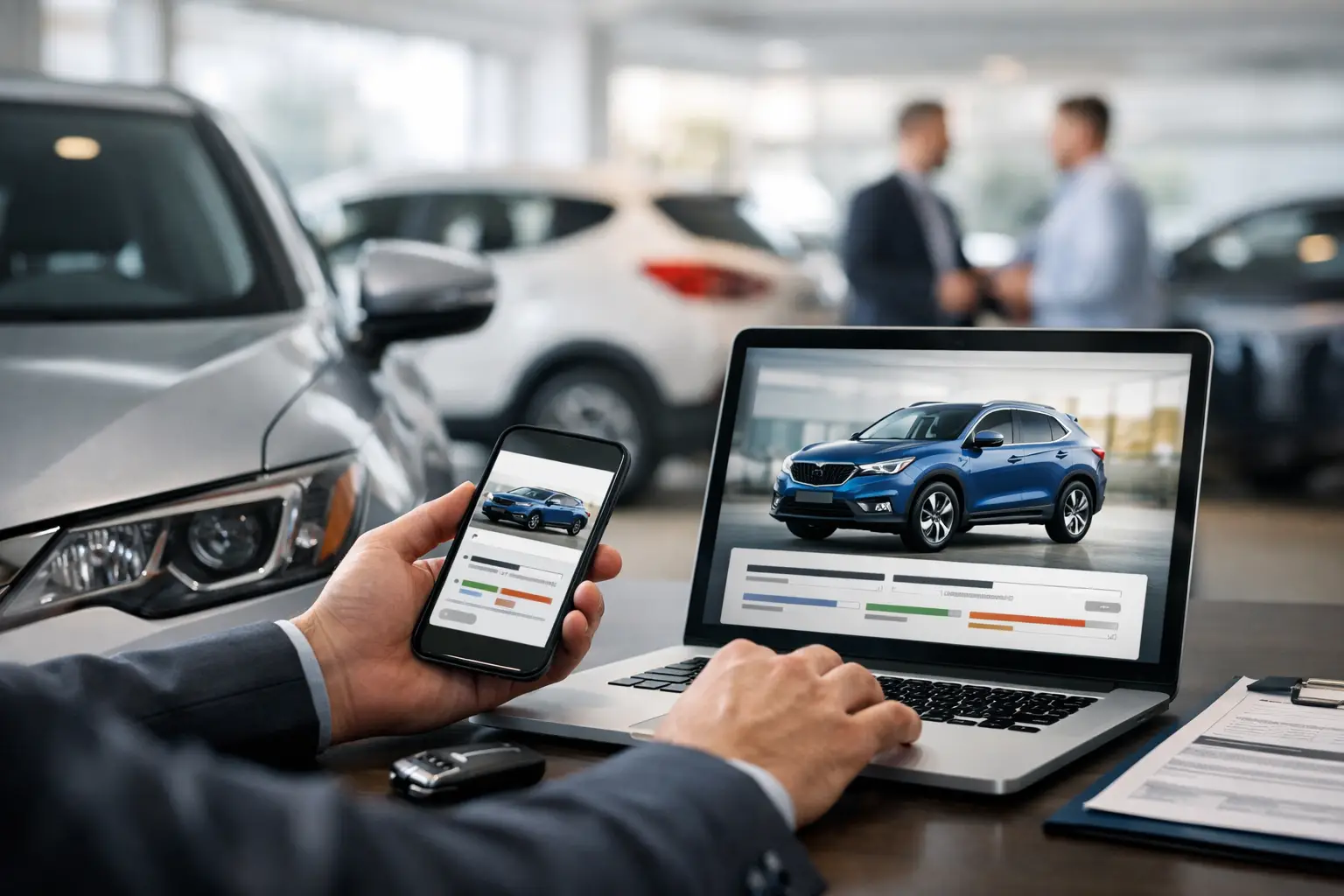
A shopper lands on your website after searching for a new SUV. They notice their current vehicle is worth something, but there is no fast way to find out. So they leave, get a value from a national marketplace, and sell their contact information to someone else. Months later, your used-car team is bidding against competitors for a similar unit at auction. A dealership vehicle valuation widget is designed to stop that cycle by turning traffic you already paid for into first-party acquisition opportunities.
This is not just a trade-in calculator. When it is built into the dealership’s website and lead process, it becomes an inventory sourcing channel. The difference comes down to what happens after the consumer sees a number.
Your website traffic is already an acquisition opportunity
Dealerships spend heavily to generate sessions through search, social, vehicle listings, service offers, and branded campaigns. Most of that spend is measured by sales leads, phone calls, and form fills tied to retail demand. But a meaningful share of those visitors also own a vehicle your store could retail.
Without a valuation path, those owners have limited choices. They can call the store, fill out a generic contact form, or leave your site for KBB, Carfax, Carvana, or another third-party platform. The third option is usually the easiest, which means the dealership that funded the click loses the seller lead before a conversation begins.
That is the revenue leak. The dealership pays for traffic, a third party captures the owner and vehicle data, and the dealership may later buy a comparable vehicle through an auction lane. By then, the acquisition cost includes not only the hammer price, but buyer fees, transportation, reconditioning uncertainty, and margin pressure from competing bidders.
A valuation widget changes the first step. It gives the vehicle owner a reason to identify their car while they are already on your property. Done well, it captures the VIN or plate, vehicle details, contact information, and the owner’s interest in selling or trading.
What a dealership vehicle valuation widget should do
A low-quality widget produces a number and little else. It may look useful on a page, but it does not create a workable acquisition process for the used-car department or BDC. The right system needs to connect valuation, lead capture, qualification, and follow-up.
First, the value experience must be fast enough to keep a visitor engaged. Asking for a VIN, license plate, or basic vehicle information is reasonable. Making an owner complete a long appraisal form before seeing any value is not. The goal is to reduce friction without sacrificing the information your team needs to make a serious offer.
Second, the widget needs to capture first-party contact data before the lead disappears. A rough market range may create interest, but the dealership needs a name, mobile number, and email to continue the conversation. Consent and messaging practices should be handled appropriately, especially when SMS follow-up is involved.
Third, qualification should begin immediately. A valuation tells you what the market may support. It does not tell you whether the car has warning lights, major damage, excessive wear, a payoff issue, or an owner ready to sell this week. Those answers determine whether the lead belongs in a live appraisal queue, a nurture sequence, or neither.
Finally, the data has to reach the tools your team already uses. If acquisition leads live in a separate dashboard that no one checks, the widget becomes another disconnected marketing experiment. Vehicle details, lead information, and conversation history should flow into the CRM or DMS process the store operates every day.
Speed to lead decides whether the value becomes a vehicle
A consumer who requests a value is not necessarily ready to sell. That is normal. But they are actively thinking about their vehicle, and that window closes quickly. Calling every lead manually within minutes is difficult when the BDC is handling sales inquiries, service calls, and delivery follow-up.
Automated SMS can close the gap. A useful first message confirms the request, establishes that the dealership is interested, and asks one simple next question: are they looking to trade, sell outright, or just check the market? Subsequent questions can collect mileage, condition, accident history, payoff status, and timing.
The point is not to pretend automation can appraise every car. It cannot. The point is to separate a casual browser from an owner with a vehicle and intent worth a manager’s attention. When a customer responds that they have 42,000 miles, no accidents, a clean title, and want to sell before month-end, the team has context before making the first call.
This workflow also protects the customer experience. Instead of receiving a generic “How can we help?” message, the owner gets a conversation tied to the specific vehicle they just valued. That feels relevant because it is relevant.
Inventory acquisition is not the same as a sales lead
Stores often make one of two mistakes with valuation leads. They either treat every lead like a sales prospect, or they treat it as an appraisal request that must be handled entirely by the used-car manager. Both approaches create bottlenecks.
A better process assigns ownership based on intent and vehicle quality. The BDC or automated conversation can collect the initial details. A qualified seller with a desirable unit can be routed to the acquisition manager or used-car manager for a firm next step. A trade-in prospect can move into the sales process with the vehicle information already attached. A long-term owner can stay in a practical nurture flow until timing changes.
That structure matters because the best acquisition opportunity may not be attached to a purchase. A customer who wants to sell a clean, late-model truck is still valuable to the dealership, even if they are not shopping for another vehicle. If your process only recognizes trade-ins tied to a deal jacket, you will miss inventory that could produce meaningful front-end gross.
Where the widget belongs on your digital property
The obvious placement is a “Value Your Trade” page, but that should not be the only placement. Most website visitors do not arrive with the intention of filling out a trade-in form. They arrive on a vehicle detail page, a model page, a service page, or a paid campaign landing page.
A dealership vehicle valuation widget can be placed where vehicle ownership is already part of the conversation. On a VDP, it can give a shopper a fast way to understand equity before booking an appointment. On a service page, it can surface an offer to owners maintaining an aging vehicle. On a dedicated paid-media landing page, it can turn local “sell my car” searches into acquisition leads your store owns.
Placement should match the campaign objective. A high-intent seller campaign may lead with an offer to buy a vehicle. A new-model campaign may position the valuation as a trade-in estimate. Do not force identical language onto every page. The widget is the same acquisition engine, but the customer’s reason for using it changes by context.
Measure cost per acquired vehicle, not just form fills
A valuation widget can generate attractive lead counts and still fail to improve inventory outcomes. The scorecard should go beyond submissions.
Track the percentage of valuation requests that provide valid contact information, respond to the first text, complete qualification, schedule an appraisal, and result in an acquired vehicle. Then compare the cost of those acquired units with your alternatives. Auction purchases carry visible and hidden costs. Third-party purchase programs can add per-unit fees and put another company between you and the seller. Your own website traffic is not free, but it is already part of your marketing investment.
The most useful question is straightforward: what did this vehicle cost us to acquire, and what gross did it produce after reconditioning? A source that delivers fewer vehicles may still be the better source if it reduces acquisition expense and produces units your market wants.
Be realistic about the variables. Results depend on traffic volume, local demand, merchandising, response discipline, the offer itself, and how quickly your team handles qualified leads. A widget cannot fix an underpriced appraisal strategy or a CRM team that ignores new opportunities. It can make the opportunity visible and actionable.
Keep the workflow inside the dealership
New technology often fails because it asks the store to add another login, another queue, and another daily habit. Inventory acquisition works best when the lead lands in the systems your people already monitor.
Clutched sends valuation leads, vehicle data, and AI SMS conversation history into existing workflows, including systems such as DealerSocket, VinSolutions, CDK, HubSpot, and Elead. That gives the BDC, sales team, and used-car managers the same customer record instead of fragments spread across platforms.
Implementation should be measured in minutes, not a long website redevelopment project. Once embedded, the operational work is simple: define routing, set follow-up ownership, review outcomes weekly, and hold the team accountable for response time. The technology should support the process, not become the process.
Your next retail-ready unit may already be sitting in a customer’s driveway after a visit to your website. Give that owner a clear way to raise their hand, respond while the intent is fresh, and keep the relationship in your dealership instead of paying to chase the same inventory later.
Free tools, no signup
Three calculators for used-car acquisition
Work out how many units you need to source this month, what the auction lane is really costing you, and the most you can pay for a specific car and still hit your gross.
They run in your browser. Nothing is stored.
Frederic Duprat
Founder & Lead Developer
Frederic Duprat is the founder of Clutched, building AI trade-in acquisition software for car dealerships.