AI SMS Trade-In Follow-Up That Buys More Cars

Founder & Lead Developer
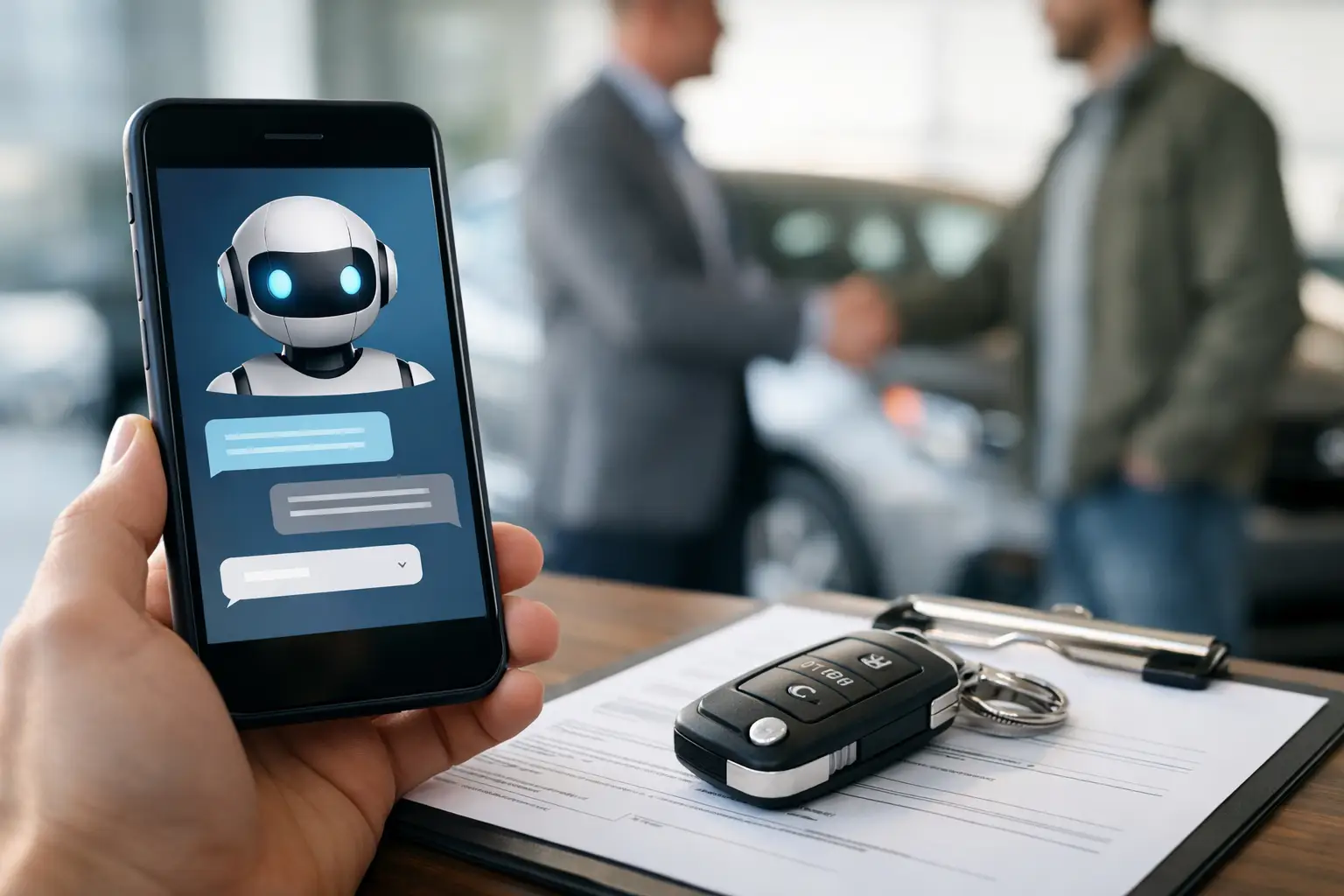
A vehicle owner lands on your website, checks a trade value, enters their contact information, and goes quiet. That is not a dead lead. It is a seller who gave your dealership permission to start a conversation - before they moved on to a third-party valuation site, another dealer, or an instant-buying platform. AI SMS trade-in follow-up is what determines whether that opportunity becomes an appraisal appointment or another unit you later chase at auction.
For most dealerships, the problem is not a lack of website traffic. It is the gap between a valuation form submission and a real human response. Sales teams are busy. BDC queues are crowded. A used-car manager may not see the lead until the next morning. By then, the owner has received three other offers and your paid traffic has created value for someone else.
Why AI SMS Trade-In Follow-Up Matters
Trade-in leads behave differently from standard sales leads. A shopper may research a vehicle for weeks. A vehicle owner checking a trade value is often testing the market right now. They may be considering a new purchase, reducing the number of vehicles in their household, or simply looking for a credible number before selling.
That makes speed more than a lead-management metric. It is a sourcing advantage.
When a lead receives a relevant text within minutes, the dealership can qualify the vehicle while the owner is still engaged. Is the vehicle available? Is there a loan payoff? Are there warning lights, accident history, or major cosmetic issues? Is the owner looking to trade, sell outright, or get a number for later? Those answers help your team determine which vehicles deserve an immediate call and which leads need continued follow-up.
Without that conversation, your store is working from a name, phone number, VIN, and a broad valuation estimate. The result is predictable: slow response, incomplete appraisal details, low appointment rates, and more dependence on the auction lane when the used-car department needs inventory.
The financial contrast is straightforward. You already paid to generate the website visit through SEO, paid search, social, or marketplace spend. Letting that visitor leave without a useful conversation means surrendering a first-party inventory opportunity. Then your team may buy a similar vehicle at auction, absorb buyer fees and transport, and accept thinner gross before reconditioning even starts.
What Good AI SMS Trade-In Follow-Up Actually Does
Automated texting should not mean blasting generic messages that sound like a robot. The job is to start a useful, low-friction conversation and collect the facts a buyer needs to prioritize the opportunity.
A strong first message acknowledges the vehicle and gives the owner a clear reason to reply. It might ask whether they are still considering selling their 2021 F-150 or whether they would like a firm dealership offer after a quick condition review. The wording should be direct, personal to the vehicle, and easy to answer from a phone.
Qualify condition without creating customer friction
Condition is where generic valuation tools break down. A market estimate may get the owner interested, but a used-car manager needs context before committing time or making an offer. AI can ask a short series of natural questions about mileage, title status, accident history, warning lights, tires, paint, interior condition, payoff, and selling timeline.
The trade-off is message length. Ask ten questions at once and response rates drop. Ask one useful question at a time and the conversation feels manageable. The best sequence changes based on the owner’s answers. Someone who says, “I need to sell it this week,” should be routed quickly toward an appointment or acquisition call. Someone who is six months away from replacing their vehicle may need a lighter follow-up cadence.
AI should also recognize when it is time to stop qualifying and bring in a person. If the seller asks for a manager, has a complicated payoff situation, disputes a valuation, or wants to negotiate, the conversation needs a clear handoff. Automation earns its keep by removing delay and repetitive data collection, not by pretending it can replace an experienced buyer.
Keep the conversation inside the workflow your team already uses
A lead is only valuable if the right person can act on it. If trade-in conversations live in a separate dashboard that managers rarely check, the dealership has added another leak.
The vehicle details, owner contact information, SMS transcript, qualification answers, and lead status should flow into the CRM or DMS tools your team already works from. That gives the BDC a usable task, gives used-car leadership visibility into active sellers, and prevents salespeople from starting cold when they call.
For stores using DealerSocket, VinSolutions, CDK, HubSpot, or Elead, integration matters because accountability matters. A manager should be able to see who owns the lead, whether the customer replied, and whether an appointment or appraisal resulted. The system should support the dealership’s process, not force the dealership to build a new one around software.
Build the Follow-Up Around Seller Intent
Not every valuation lead deserves the same response. A vehicle with strong local demand, clean history, reasonable mileage, and an owner ready to transact is an acquisition opportunity. A customer who wants an unrealistic number for a damaged vehicle may still be worth nurturing, but should not consume the same immediate effort.
Start by separating high-intent sellers from informational shoppers. The first response should confirm whether the vehicle is still available and establish timing. Once the owner engages, condition and payoff questions can follow. From there, the next action should be simple: schedule an appraisal, connect the seller with a buyer, or continue a measured follow-up sequence.
Your rules should reflect your inventory strategy. If your store needs late-model trucks, CPO-eligible vehicles, or specific price-band inventory, prioritize those conversations. If a vehicle falls outside your buy lane, do not let an automated sequence promise more than your team can deliver. Better targeting protects customer trust and keeps your acquisition team focused on the units that can produce front-end gross.
There is also a compliance requirement. Text follow-up must be based on proper consumer consent, include required opt-out handling, and respect reasonable contact cadence. More messages are not automatically better. A relevant message sent quickly is more effective than a pile of reminders that train customers to ignore your number.
Measure Cars Acquired, Not Just Text Replies
Reply rate is useful, but it is not the finish line. A dealership can generate plenty of text conversations and still fail to acquire vehicles if appointments are not set, appraisals are delayed, or offers are not competitive.
Track the full path from valuation to conversation, qualified seller, appointment, appraisal, acquired vehicle, and retail or wholesale outcome. Then compare the cost per acquired vehicle against your actual auction costs, including buyer fees, transportation, recon exposure, and the margin pressure created by competing for the same units.
This is where first-party acquisition can change the math. A seller who comes through your own website or paid campaign is not free. There is software cost and marketing cost, and your team still has to appraise and buy the vehicle well. But the opportunity starts with your dealership rather than with a third party that can sell the same lead to competitors or keep the transaction for itself.
Use response-time reporting as a management tool, too. If an AI conversation identifies a ready seller at 10:15 a.m., but nobody makes a call until late afternoon, the issue is operational ownership. Technology can surface demand quickly. Leadership still has to build a process for acting on it.
Put Acquisition Speed Where Your Traffic Is
The best trade-in acquisition process does not require rebuilding your website or retraining every department. It starts where sellers already are: your website vehicle valuation experience and the landing pages connected to your paid campaigns. From there, the system should capture the lead, text quickly, qualify the vehicle, and send the full context to the platforms your team already uses.
Clutched is built around that workflow: helping dealerships turn existing traffic into a controllable used-vehicle sourcing channel instead of letting high-intent sellers disappear to KBB, Carfax, Carvana, or the auction market. The objective is not more software activity. It is more conversations with real vehicle owners before someone else buys the car.
The next desirable used vehicle your store needs may already be sitting in a customer’s driveway after they visited your site. Give that owner a fast, useful reason to reply, then make sure your team is ready to buy.
Free tools, no signup
Three calculators for used-car acquisition
Work out how many units you need to source this month, what the auction lane is really costing you, and the most you can pay for a specific car and still hit your gross.
They run in your browser. Nothing is stored.
Frederic Duprat
Founder & Lead Developer
Frederic Duprat is the founder of Clutched, building AI trade-in acquisition software for car dealerships.